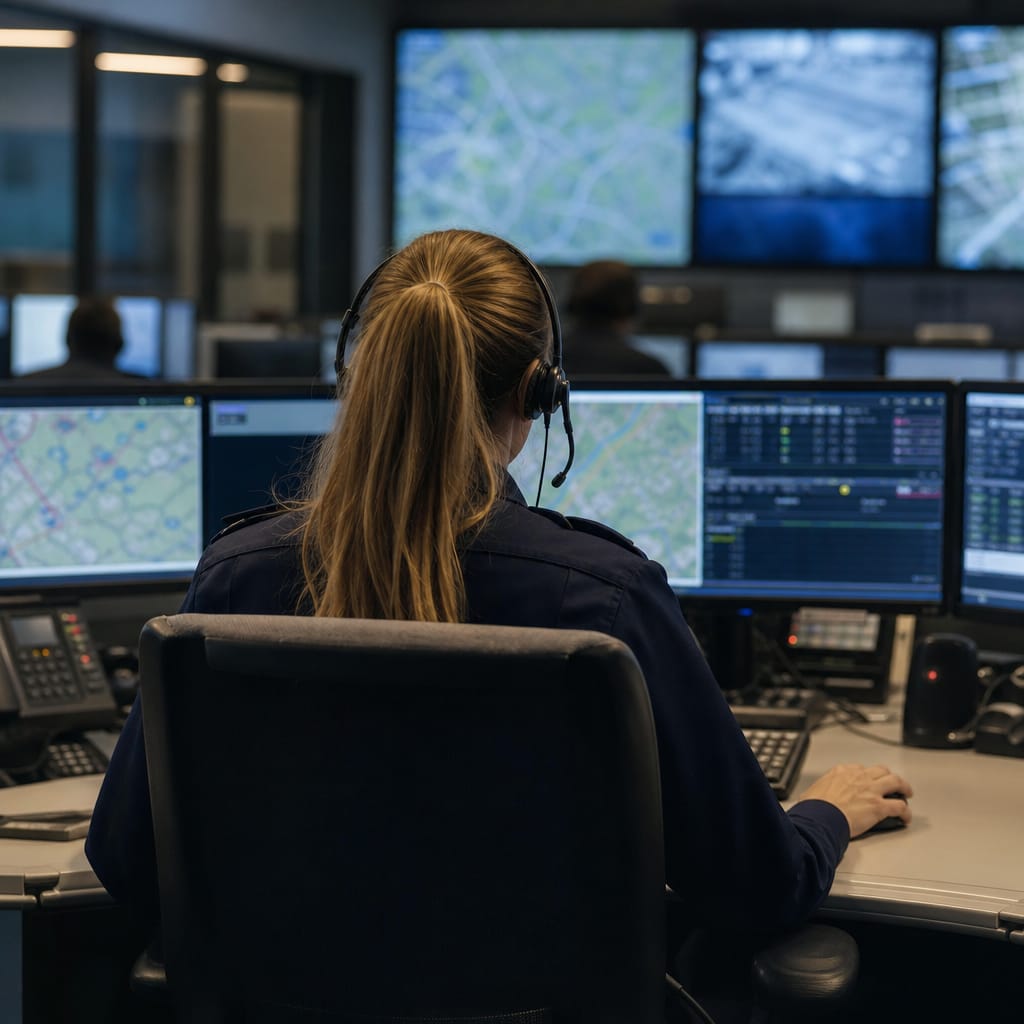

Somewhere in the 1940s, a mathematician sat down to solve a problem that had nothing to do with ordering pizza. The problem was how to stop wasting artillery shells. The British and American armies were burning through ammunition at a ruinous rate because the equations used to aim big guns were too slow to calculate by hand. By the time a soldier had worked out where to point the barrel, the target had moved. So mathematicians developed faster, cleverer methods – ways of estimating a complex answer quickly rather than computing a perfect one slowly. Algorithms, essentially. Though nobody called them that yet.
Those Equations Are in Your Phone
Those same equations are running inside your phone right now.

How did we get from artillery tables to touchscreens?
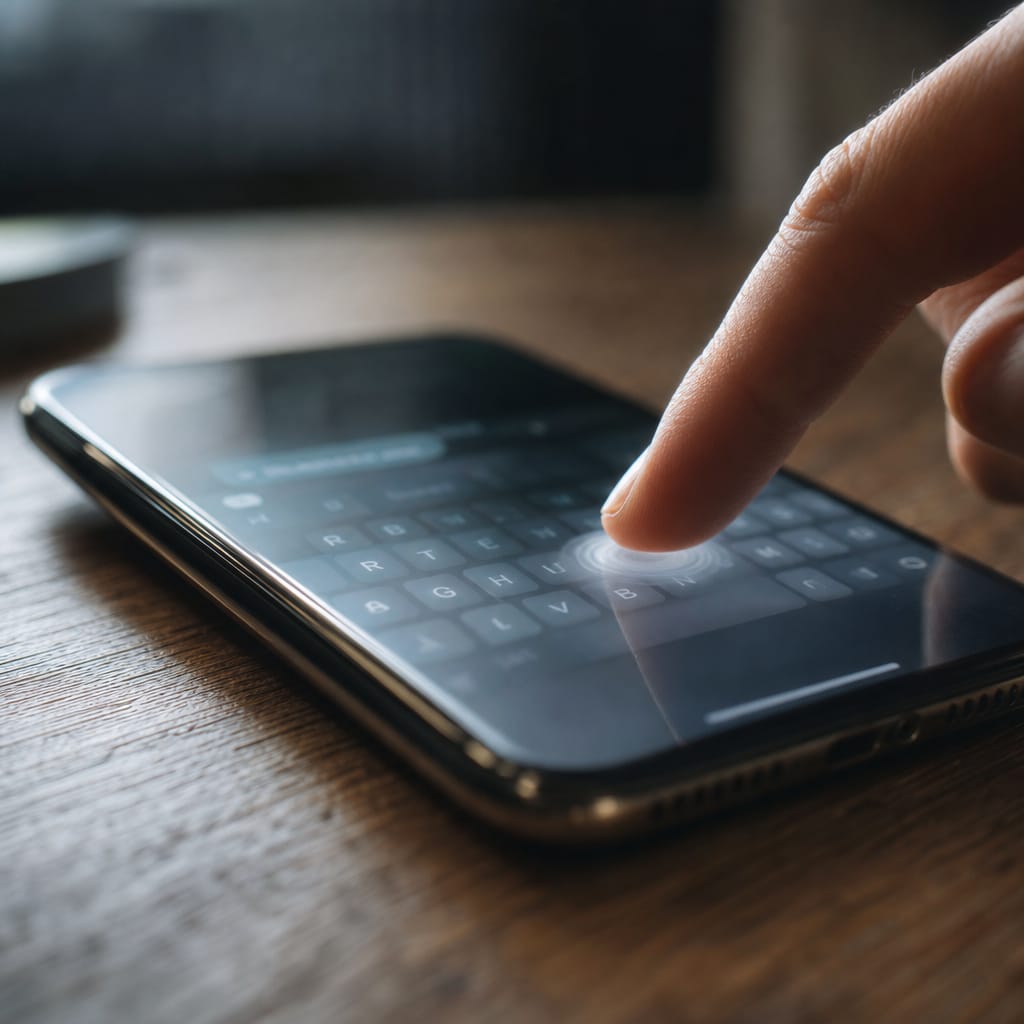
Every time you tap a touchscreen, the device doesn't just record a single point of contact. It records a smudgy blob, because fingers are not pencil tips. The processor then has to make a fast, educated guess about where you actually meant to press. And it does this using a form of probabilistic estimation that descends, in a fairly direct line, from the mathematics developed to track incoming aircraft and calculate shell trajectories. It has been tidied up and built upon by decades of computer scientists, but the bones are the same bones. The same essential move – "given noisy, imperfect data, what's the most likely answer?" – is doing its job every time you accidentally tap the wrong letter and autocorrect quietly fixes it without telling you.
Not Just Touchscreens
This is not a coincidence that belongs only to touchscreens. It is more or less the story of how the device in your pocket came to exist at all. The internet grew out of ARPANET, a US military project designed to keep communications alive after a nuclear strike. GPS was built for submarine navigation and missile guidance before it started telling you to turn left in three hundred yards. The microwave oven famously came from a researcher noticing that radar equipment had melted the chocolate bar in his pocket, and radar itself, repurposed, is what your car uses to warn you before you reverse into a bollard.
For a piece that follows a similarly unexpected thread about forms and bureaucracy, The Family Form Is Still Being Filled In is worth a read.
A Pattern Worth Sitting With
There's a pattern here worth sitting with. Almost none of the consumer technology that defines ordinary life in 2024 was invented for ordinary life. It was invented for situations of extreme urgency – for tracking things that were trying to kill people, or for surviving situations where normal infrastructure had collapsed. The requirements of warfare are, in a very practical sense, a brutal design brief: it has to work, it has to work fast, and it has to keep working when everything around it is falling apart. Technology that clears those bars tends to be extremely good at easier jobs too.
Which means that the researchers who worked out how to guess where an artillery shell would land also, in a roundabout way, worked out how to guess that you meant to type "the" and not "rhe". They just didn't know it yet.
Questions this raises
- What was the origin of modern computing hardware?
- How did wartime problems drive computer design?
- What did early computers actually calculate?